Travel by sea
Ports
- Cecina marina12 km
- Port of Piombino Ferries to the Tuscan islands38 km
- Livorno tourist port40 km
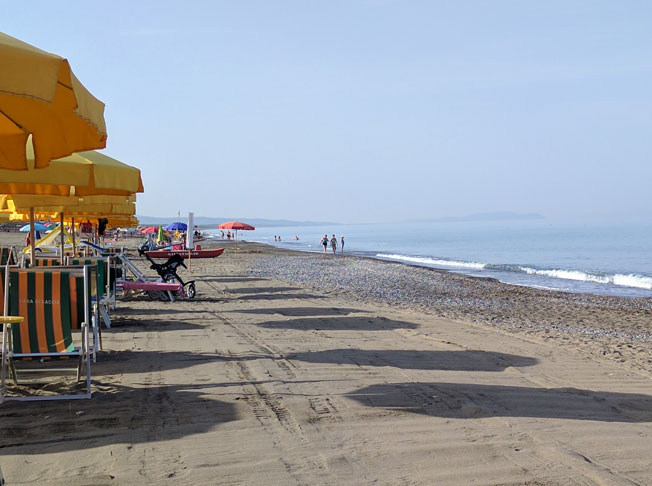
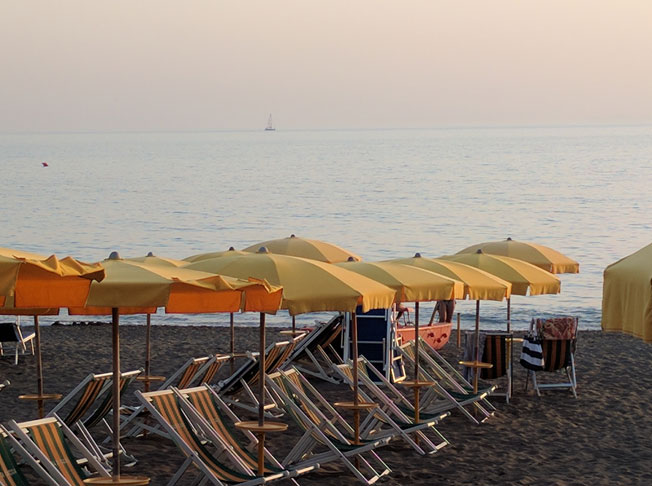
The splendid beach of Marina di Bibbona, of fine sand, stretches for a few kilometers with large stretches of free beach alternating with some bathing establishments. Marina di Bibbona combines its natural beauties with the comforts of a welcoming and hospitable place where you can enjoy relaxing and serene holidays all year round.
Here, a seaside holiday is easily combined with history and art. Bibbona was also an important Templar commandery and still preserves remarkable evidence of the Order's presence.
The traditions and relaxed pace of life can still be experienced in the medieval village of Bibbona and in nearby Bolgheri, with its famous Viale dei Cipressi, as well as Castagneto Carducci, Casale Marittimo, Guardistallo, Montescudaio, Volterra, San Gimignano and many other destinations.

• Montecatini Val di Cecina Mine Museum: one of the most important copper mines in Europe of the last century, with the possibility of descending into a shaft 140 metres deep.
• Municipal Archaeological Museum of Cecina: fantastic site from the Etruscan era.
• Archaeological Park of Baratti and Populonia: the only Etruscan city on the sea.
• Archaeological Mining Park of San Silvestro: a journey into the heart of the earth along an evocative underground route, on foot and aboard a train.


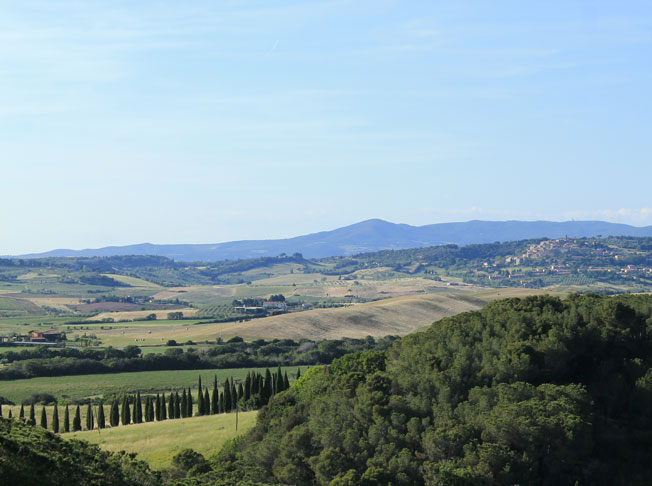
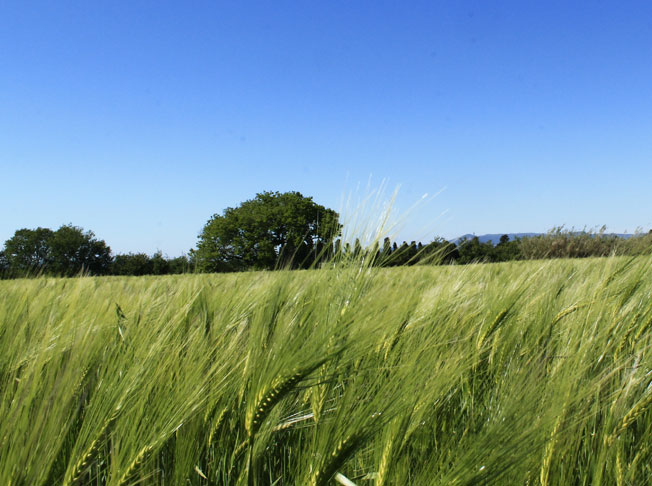

From the seaside to Tuscany’s art cities, discover inspiring day trips from Residence Le Rose.
Routes through nature, history and Tuscan beauty, all within reach of the residence.
Indicative driving distances calculated from Residence Le Rose.
• Excursion along the "COSTA ETRUSCA" Wine Route from Bibbona, home of the Terratico wine, to the Gulf of Baratti and Populonia, the ancient maritime city of the Etruscans, passing through Castagneto Carducci and Bolgheri, kingdom of the fantastic Sassicaia and Ornellaia wines.
• Guided tour of the cellar with tasting of products and the possibility of purchasing. Guided tours also in the oil producing companies with tastings of the delicious Toscanerie.
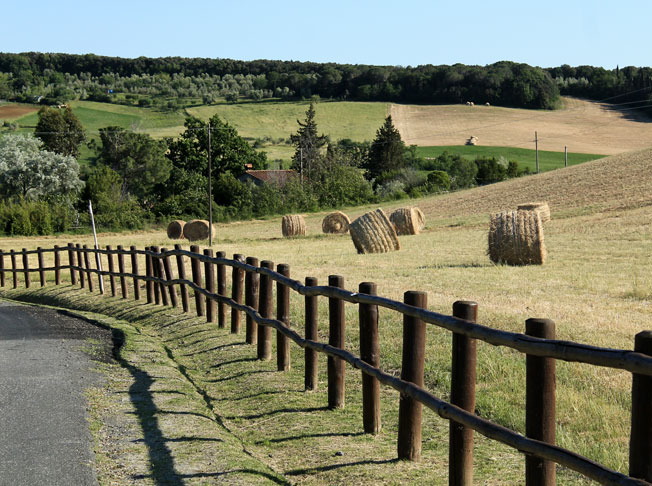
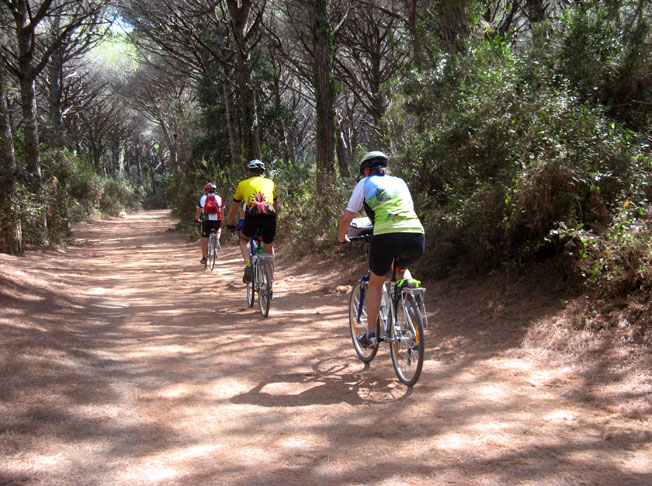
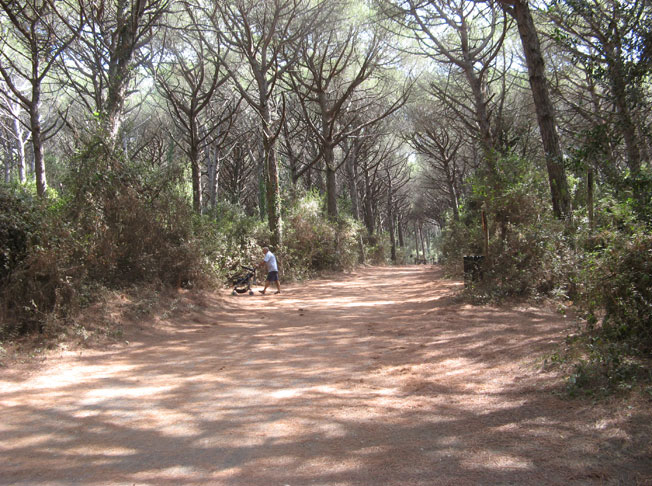
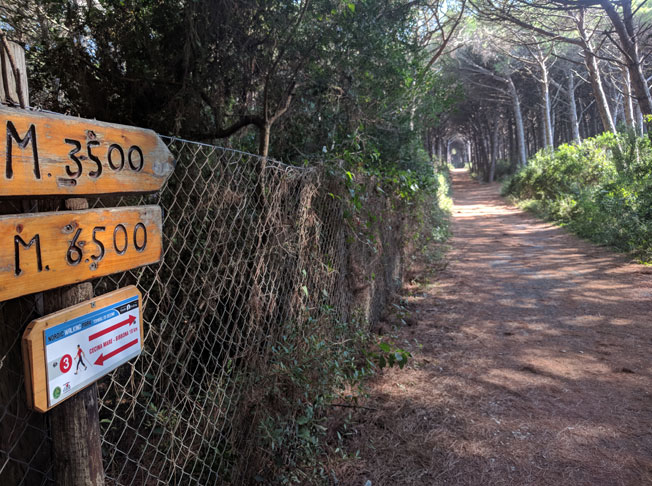
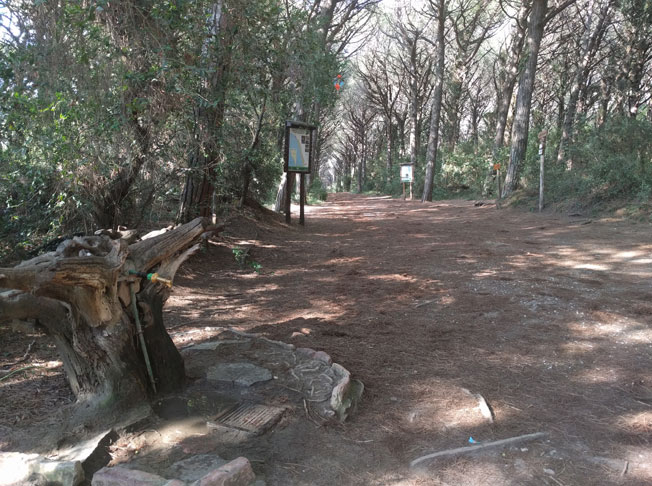
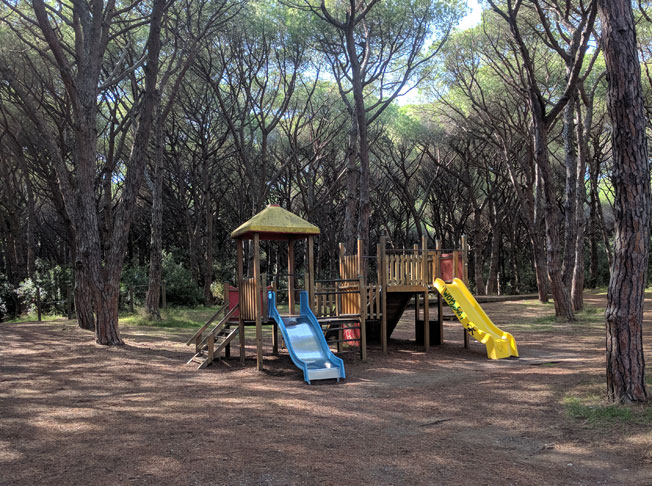
There are many ways to enjoy our area: stroll along quiet beaches and through pine forests, go hiking, cycle or ride a motorbike, fish from a boat or from the shore, or try diving, surfing and sailing. Everything here invites you to spend time outdoors and feel good.
These activities, and many more, reveal the countless treasures of this corner of Tuscany. Alongside its artistic and historic heritage, the Macchia della Magona offers nature lovers a vast green landscape across the surrounding hills. Numerous paths and trails lead deep into this area, where archery is also available.
Explore our guides to Bibbona, the Templars and the most fascinating sacred places along the Tuscan coast.
 PDF guide
History and mystery in Bibbona
Bibbona and the Templars
A journey through the symbols, architecture and memories of the historic village.
Open the PDF guide
PDF guide
History and mystery in Bibbona
Bibbona and the Templars
A journey through the symbols, architecture and memories of the historic village.
Open the PDF guide
 PDF guide
Sacred places in Tuscany
A short guide to local sanctuaries
Churches, sanctuaries and scenic places to discover between the coast and the hills.
Open the PDF guide
PDF guide
Sacred places in Tuscany
A short guide to local sanctuaries
Churches, sanctuaries and scenic places to discover between the coast and the hills.
Open the PDF guide
A selection of places of faith, history and architecture to visit during your stay.
Montenero, located on a hill overlooking the sea and the port of Livorno, is among the most famous places in Tuscany due particularly to its famous Sanctuary dedicated to the Madonna delle Grazie. The origins of the Sanctuary date back to May 15, 1345, the feast of Pentecost, when, according to tradition, a poor crippled shepherd found the miraculous image of the Virgin Mary and following an inner intuition brought it to the Montenero hill, a place already known as a refuge of brigands and for this reason considered dark, gloomy... the "Mount of the Devil".
The chapel of the princely residence of the Citadel was built around 1465 on commission of Jacopo III Appiani by Andrea Guardi. The building, with a single nave, is exemplified on an Albertian plan in the pedimental façade with a rose window, marked by pilasters with capitals on the model of the Malatesta Temple in Rimini.
Little is known about the history of the Chapel of the Madonna della Neve, commonly called Madonna del Desco, apart from the fact that it already existed in the 15th century. The first documented reference dates to 1499. In the 17th century, the adjoining rooms were temporarily used as an isolation hospital. The chapel remained a pilgrimage destination until relatively recent times because it housed the revered image of the "Madonna del Desco", which is now lost.
The Sanctuary of the Madonna di S. Sebastiano is inside the church of S. Francesco in Volterra. Titled Marian sanctuary since 1931, the Madonna is venerated which was originally located in the oratory of S. Sebastiano.
The Madonna della Neve Sanctuary, adjacent to the city cemetery, not far from the parish church of Villamagna, was built between 1675 and 1715 under the pontificate of Pope Liberius. The object of the cult is the fresco of the Madonna and Child from the late 15th century attributed to Pier Francesco Fiorentino (1444-post 1494) which was detached and then brought back to the site.
Located in the small town of Botro ai Marmi, where in ancient times there was an extractive activity, along the road to San Vincenzo, the church was founded as an ex voto for the discovery of an image of the Madonna over a forge.
The Santa Luce area has been known and inhabited since Etruscan times. The earliest written record dates to 877. Over the centuries, the lands came under the rule of several families, including the Cadolingi of Fucecchio and the Upezzinghi of Pisa. In 1406 the territory came under Florentine rule.
The origin of the sanctuary is connected to a miraculous event that occurred during the war that Lorenzo de' Medici waged against Volterra in 1472.
This place of worship dates to 1775, when it was built on the site of an earlier oratory belonging to the confraternity of the same name, documented since the 15th century.
Near Montaione at 460 meters above sea level, in a hilly landscape, there is the splendid monastery sanctuary of San Vivaldo known as the Jerusalem of San Vivaldo. It became a place frequented by hermits and tradition tells in particular of the life of the hermit Vivaldo. In fact, starting from 1320 the devotion to St. Vivaldo spread. In 1499 the Observant Friars Minor arrived on the site and they actually established the "Jerusalem of San Vivaldo".
The apartments at Residence Le Rose are set amid the greenery of two splendid nature parks. With the beach and shopping area just 150 metres away, guests can leave their car parked and reach everything within minutes on foot or by bicycle.
Residence Le Rose offers studio, one-bedroom and two-bedroom apartments, making it an ideal choice for family holidays.

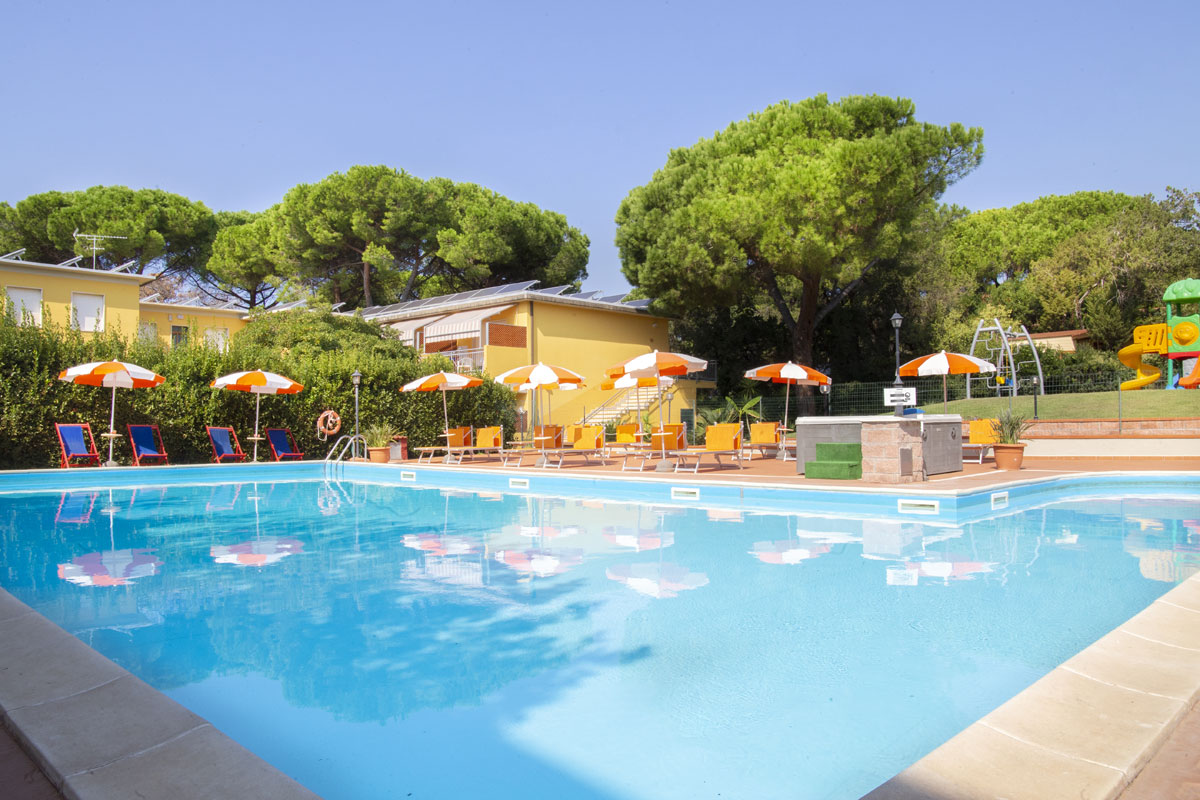
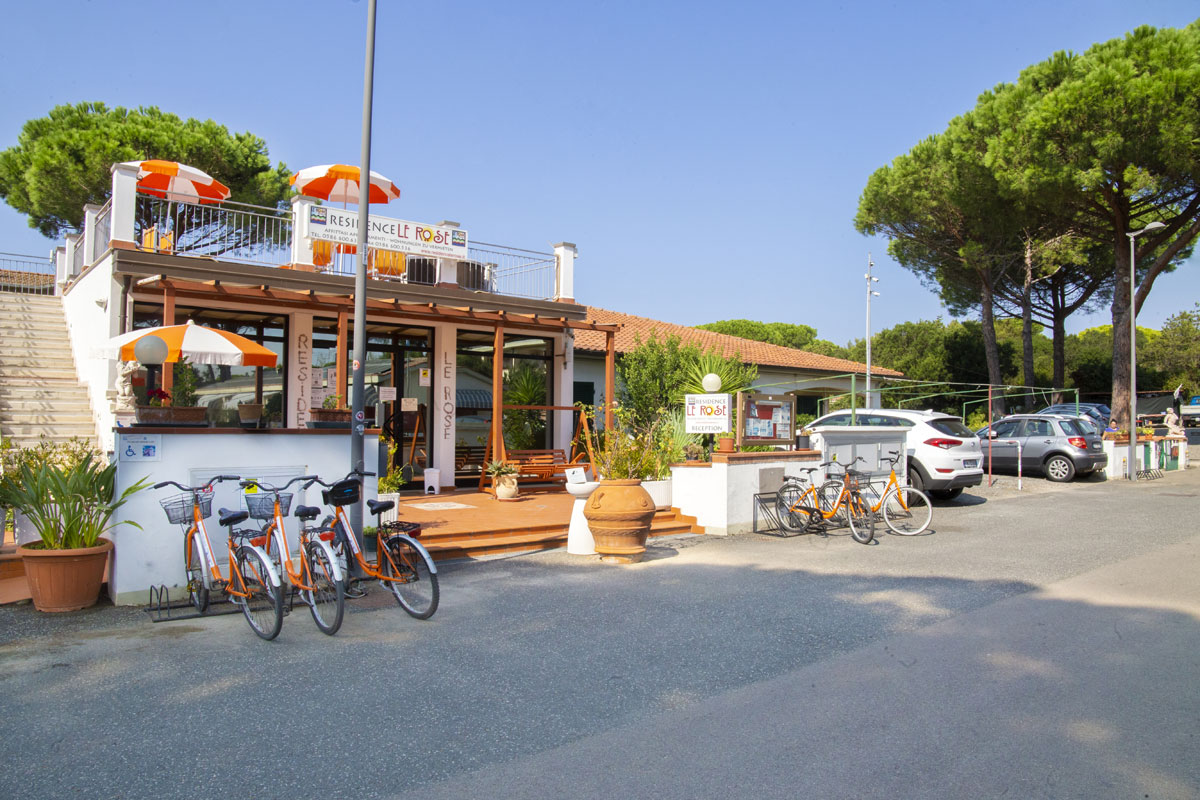


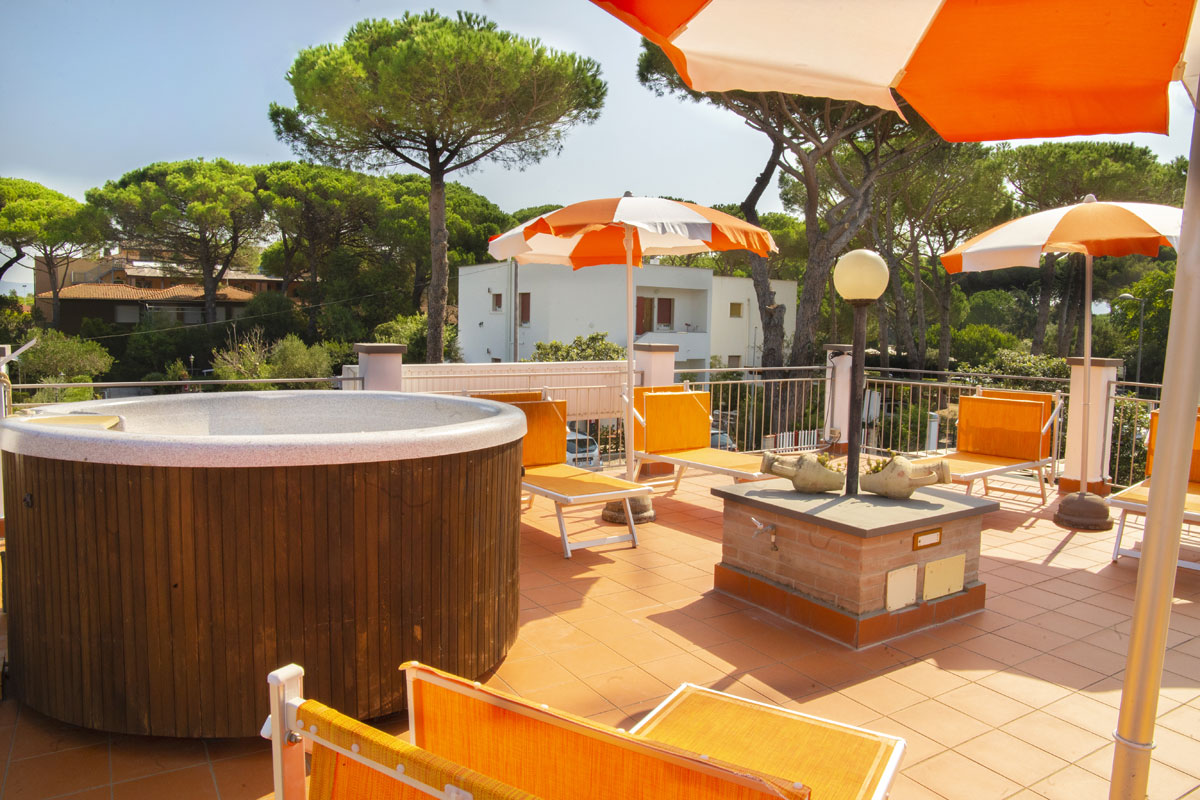


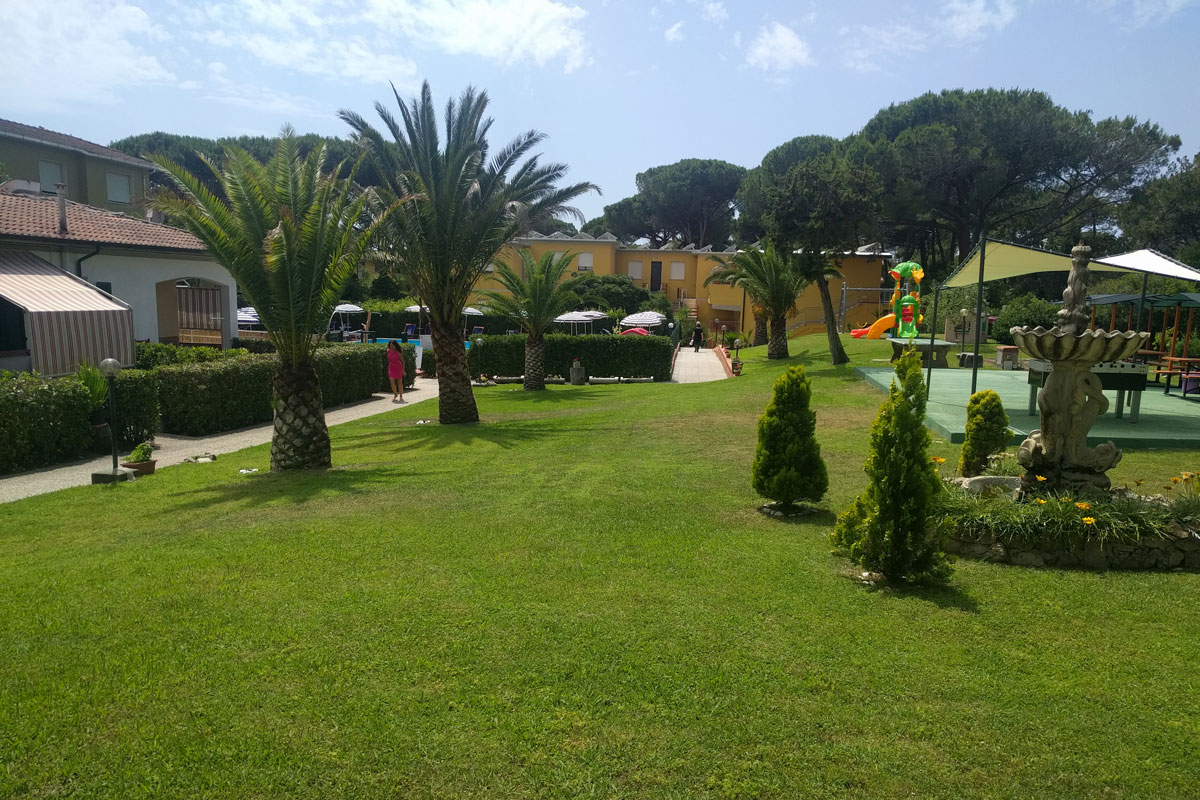


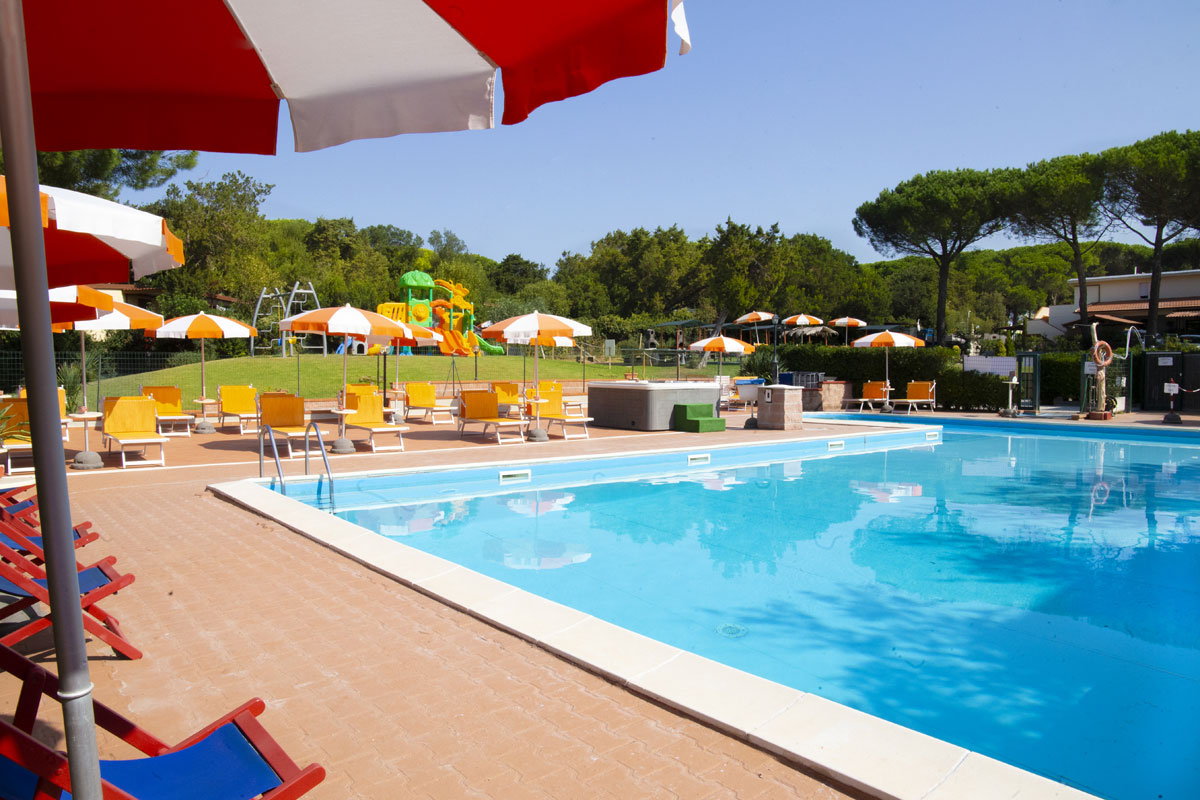
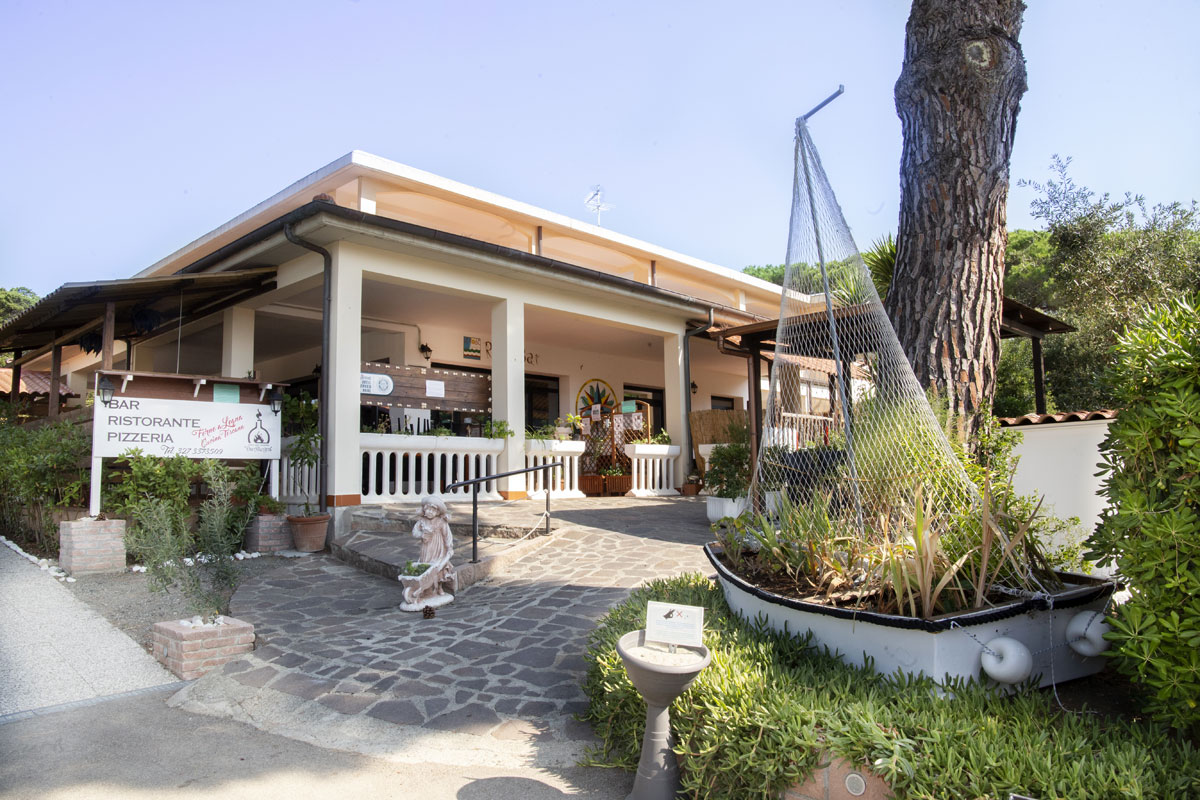
Residence Le Rose is a family-run property in a central, strategic location in Marina di Bibbona, just a short distance from the sea. It lies in the province of Livorno, in the heart of Tuscany and the Etruscan Coast, an area rich in nature, history and art.



Call us at +39.0586.600639